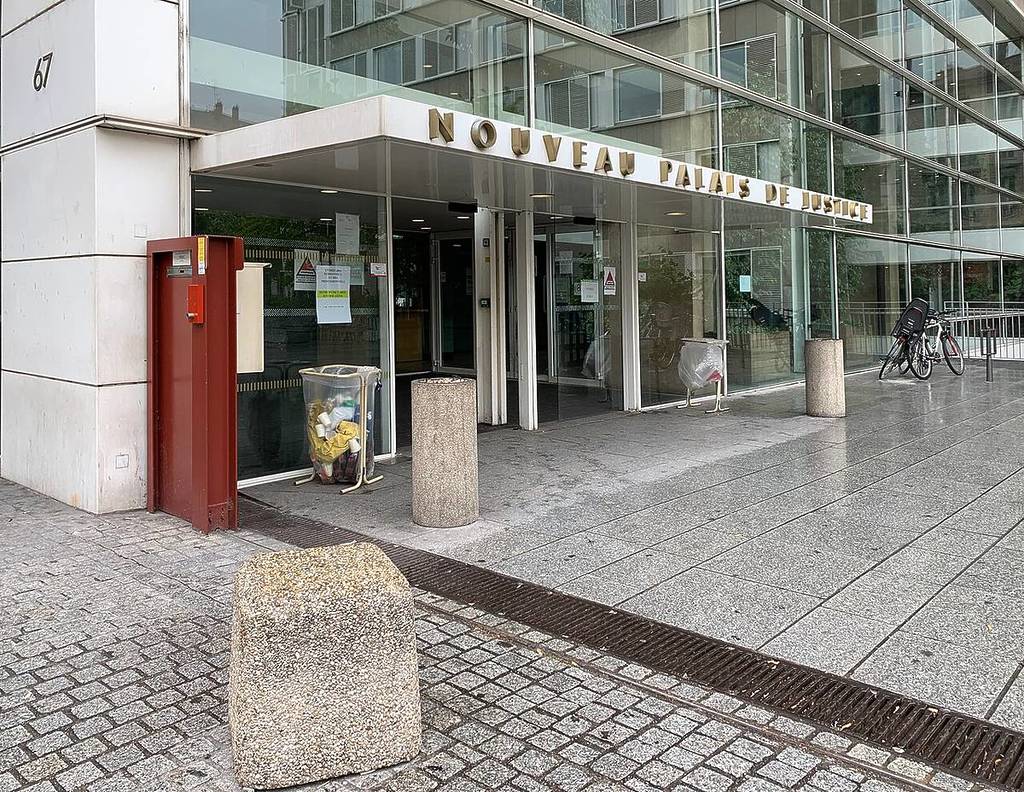

Lyon is a city steeped in history. We think of its traboules, its gastronomy, its central role in the Resistance. But behind the Renaissance facades and peaceful banks of the Rhône, the city has also seen trials that have left a lasting mark on people’s memories. Some have shaken the whole of France. Others have profoundly shaken local political or institutional life. All have in common the same tension: that of judgment.
Because a trial is never just a matter of law. It is a moment suspended in time when an entire society observes, analyzes… and forms an opinion.
What if, this time, it were up to you to judge?
If your fascination with trials extends beyond the archives, you’re in luck, as an immersive experience offers you the chance to go from spectator to juror.
With The Jury Experience, you take your place in a room transformed into a courtroom. Testimonies, pleadings, and evidence follow one after another. Then comes the decisive moment: to vote guilty or not guilty. Will the defendant be able to convince you?
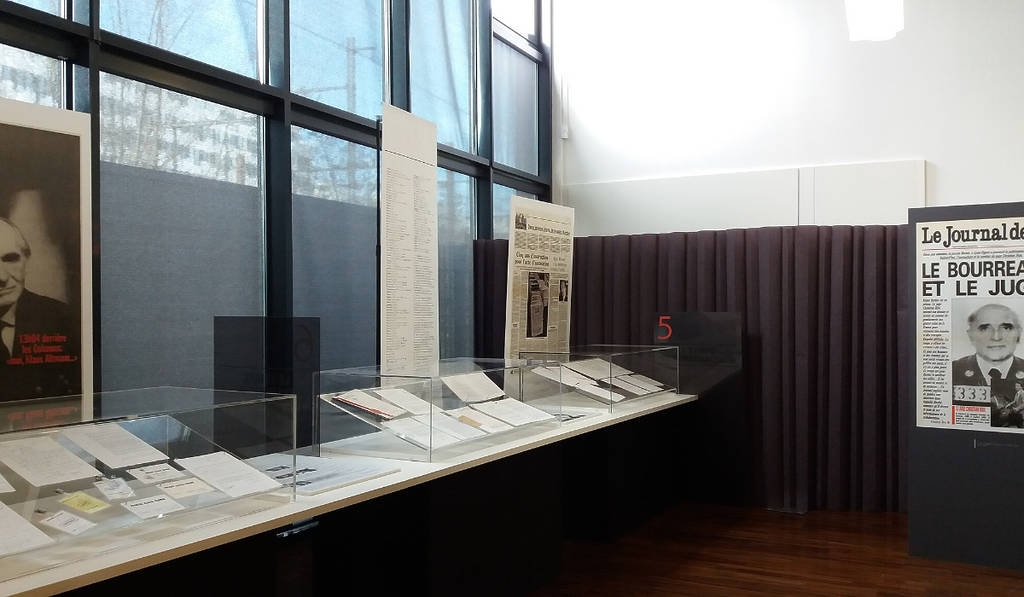
The Klaus Barbie trial: Lyon at the heart of history
It is impossible to talk about the major trials linked to Lyon without mentioning that of Klaus Barbie. In 1987, the former head of the Gestapo in Lyon was tried before the Rhône Assize Court for crimes against humanity.
Lyon, the capital of the Resistance during World War II, became the center of a moment of national remembrance. This trial went far beyond the judicial sphere: it questioned responsibility, collective memory, and transmission. Klaus Barbie was sentenced to life imprisonment.
This trial remains one of the most significant in contemporary French legal history, one of the most symbolically linked to Lyon, and it is also the first trial to be recorded in its entirety in France.
The “corrupt cops” case
In the 1980s and 1990s, Lyon was once again under strain, this time within the police force itself. Several Lyon police officers were accused of corruption and collusion with traffickers.
Investigations have revealed a system in which confidential information was allegedly passed on to criminals in exchange for financial gain. The trials, held in Lyon courts, resulted in several convictions for corruption, influence peddling, and criminal conspiracy.
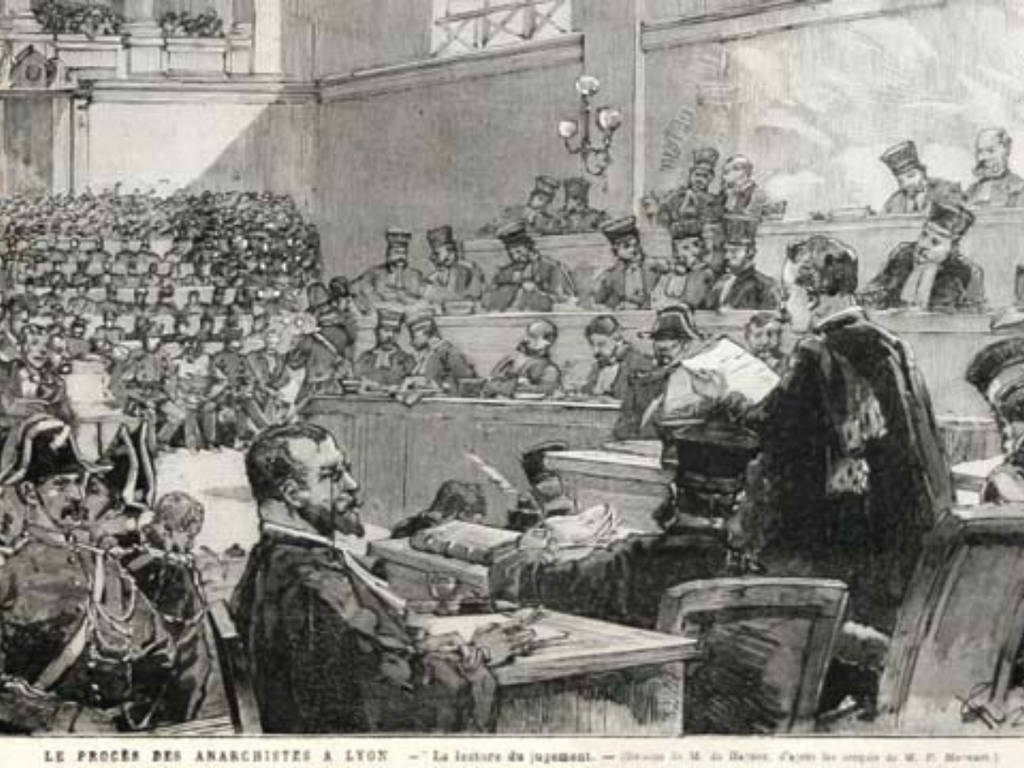
1883: the trial of the Lyon anarchists
At the end of the 19th century, Lyon became one of the active centers of the French anarchist movement. In January 1883, a sensational trial began in the Lyon Criminal Court against 66 activists accused of belonging to the International Workingmen’s Association and promoting anarchist ideas deemed subversive.
Among them was Pierre Kropotkin, the Russian theorist of anarchism.
The defendants were prosecuted for belonging to a dissolved organization and for revolutionary propaganda. The trial attracted national attention: beyond the individuals on trial, the whole issue of freedom of expression and political organization was at stake. Several defendants were sentenced to prison terms, an episode that illustrated the social and ideological tensions that were sweeping through industrial France.
1642: the Cinq-Mars conspiracy, a plot that ended in Lyon
Long before the major contemporary cases, Lyon was the scene of a major political episode in the 17th century. In 1642, Henri Coiffier de Ruzé, Marquis de Cinq-Mars and favorite of Louis XIII, was arrested for conspiring against Cardinal Richelieu.
Accused of secretly negotiating with Spain to weaken the minister’s authority, he was tried for high treason. On September 12, 1642, the Marquis de Cinq-Mars was executed in Place des Terreaux, Lyon.
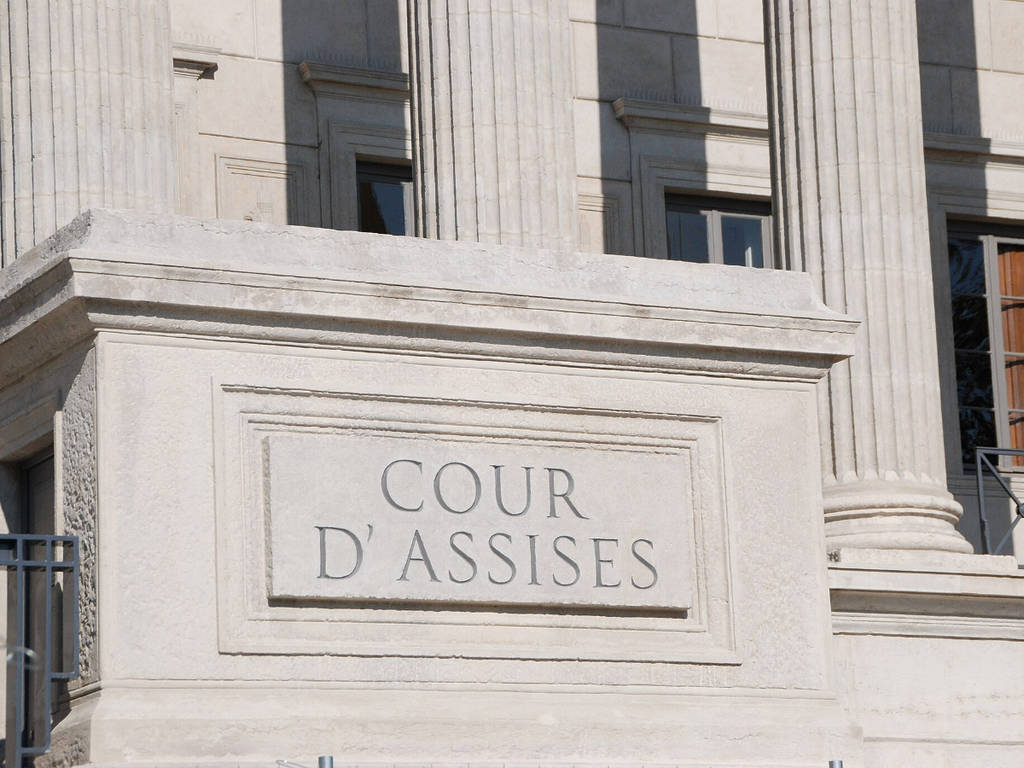
Every trial brings our deepest dilemmas to the fore: justice, responsibility, and truth. Even when we are only spectators, it is impossible to remain completely neutral. We analyze the evidence, form an opinion, and imagine what we would have decided if we were in the jury’s place.