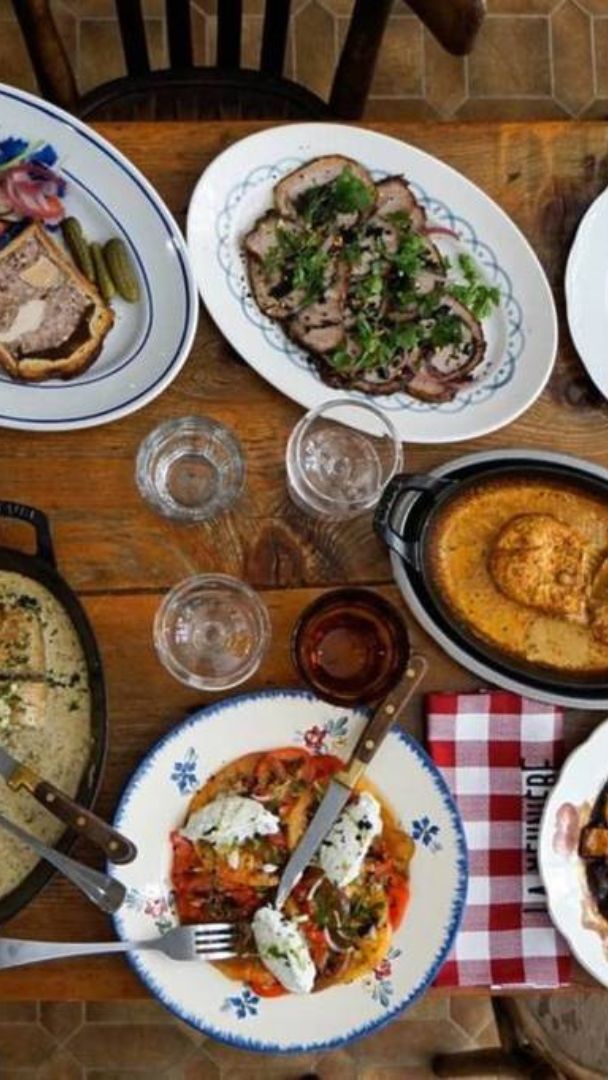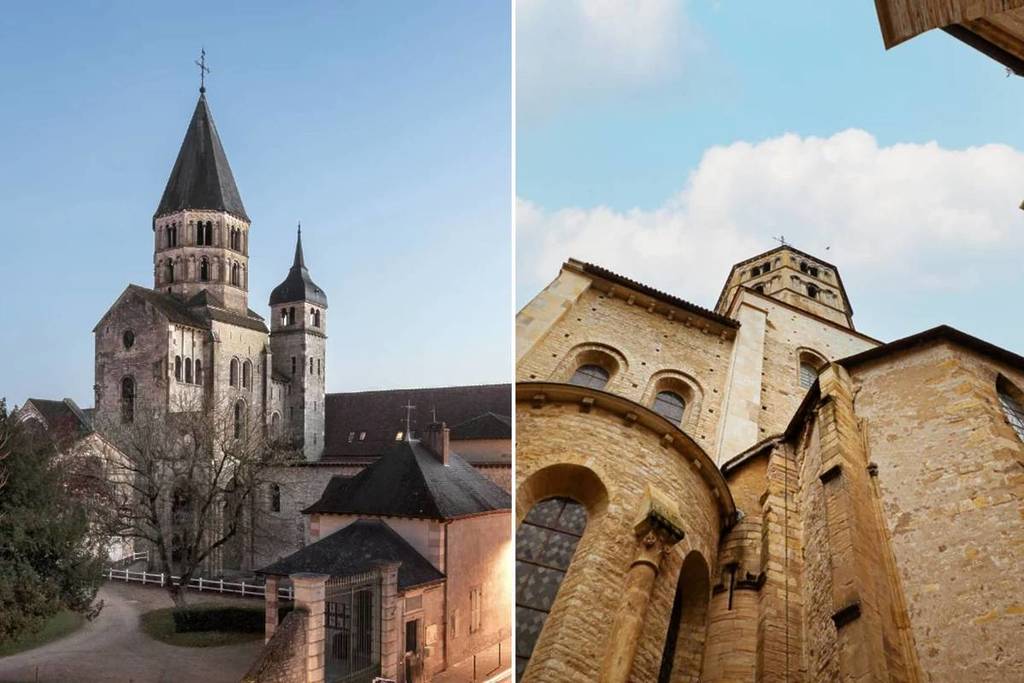
Cluny is to medieval history what our quenelles and tarte aux pralines are to Lyonnais gastronomy: a staple. But rest assured: just as you don’t have to be a gardener to visit one of France’s most beautiful gardens, or a caver to explore a unique cave, you don’t have to be a history buff to visit Cluny. We’re talking about the abbey, of course, but the town itself is a real treasure, with its cobbled streets, squares, cafés and numerous local restaurants…
Cluny, a thousand-year-old town… looking to the future
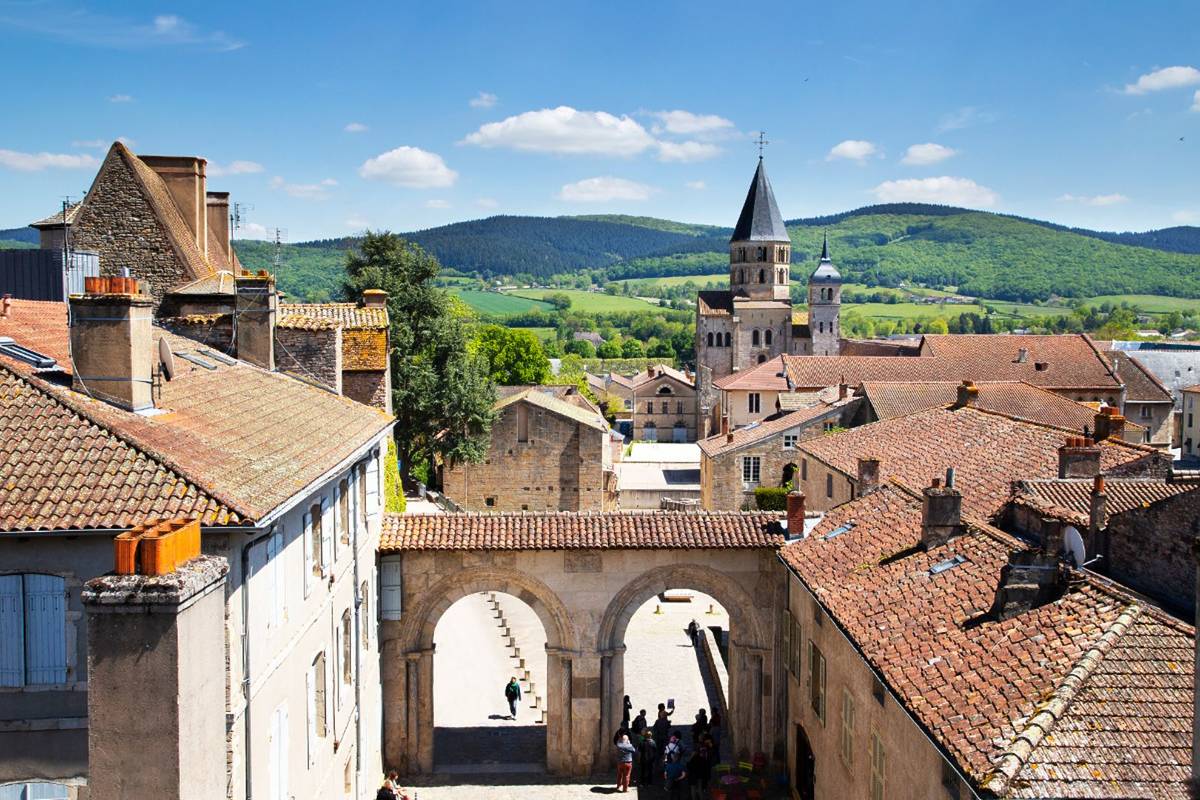
Cluny is a medieval city as we like to imagine them. Kings, queens, popes and other lords… the crème de la crème have all passed through here in one way or another. A veritable religious, intellectual and economic epicenter in the Middle Ages, its architectural heritage is unique in France. Its abbey was recently awarded the European Heritage Label and is in the running for UNESCO World Heritage status, alongside Notre-Dame Cathedral in Paris, the Taj Mahal and the Great Wall of China…
But Cluny is also home to a theater-cinema (housed in an old abbey building), a swimming pool and a municipal campsite, craftsmen’s markets and a whole host of restaurants where you can sample Burgundy’s regional specialties. In short, a timeless little town that combines architecture, culture and gastronomy, and which, paradoxically, is looking to the future. Proof of its dynamism? Cluny is home to no fewer than 2,000 students at its École Nationale des Arts et Métiers, making it the “smallest” student town in France.
The “Maior ecclesia”: the largest church ever built in its time
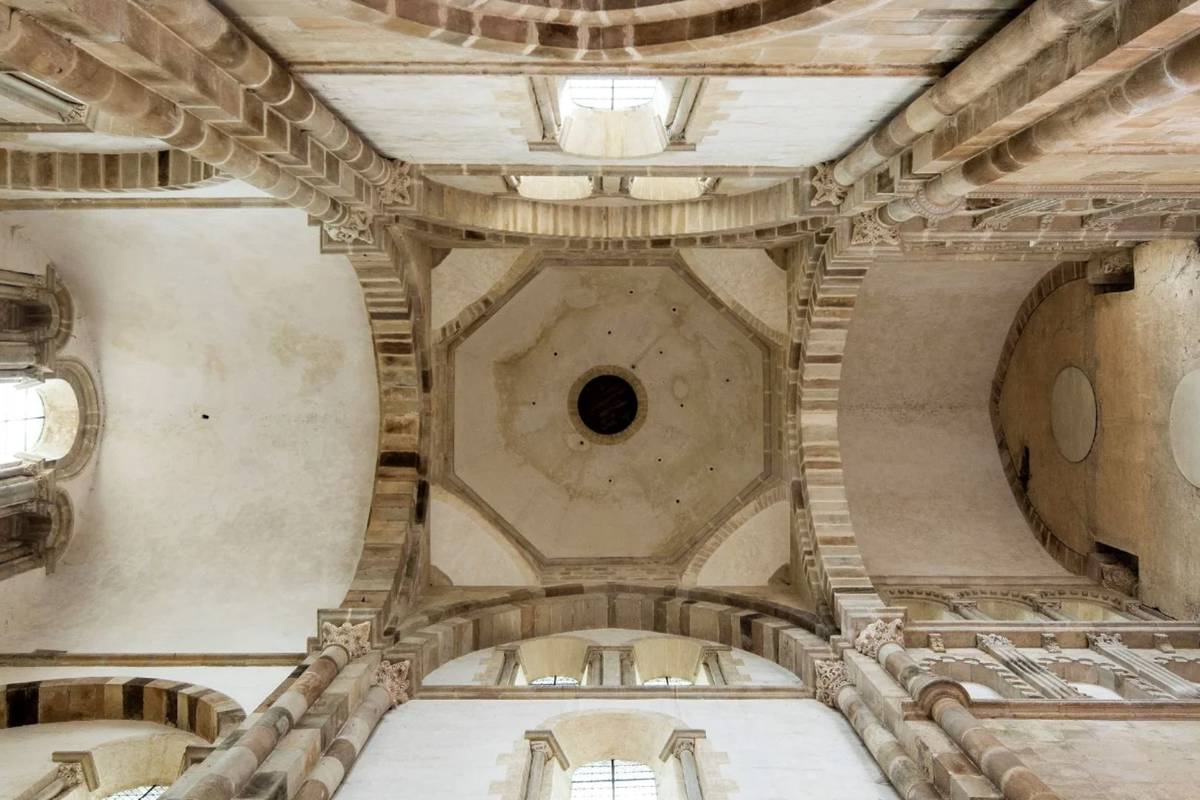
It can be said almost a thousand years later: Abbot Hugues de Semur was no slouch. In 1088, when Cluny was at its height, nothing seemed to stop the abbot from building the “Maior ecclesia”, the largest church in Western Christendom. With its 30-metre high vaults, it would dominate all others (including St. Peter’s Basilica in Rome) as the most imposing, for over 400 years …
From the 16th century onwards, Cluny gradually lost its influence, and the French Revolution of 1789 was the final blow. Much of the site was vandalized and burnt down, but never returned to its former glory. It would take many years for the town to rise from its ashes and once again become a place that will be talked about for at least another thousand years!