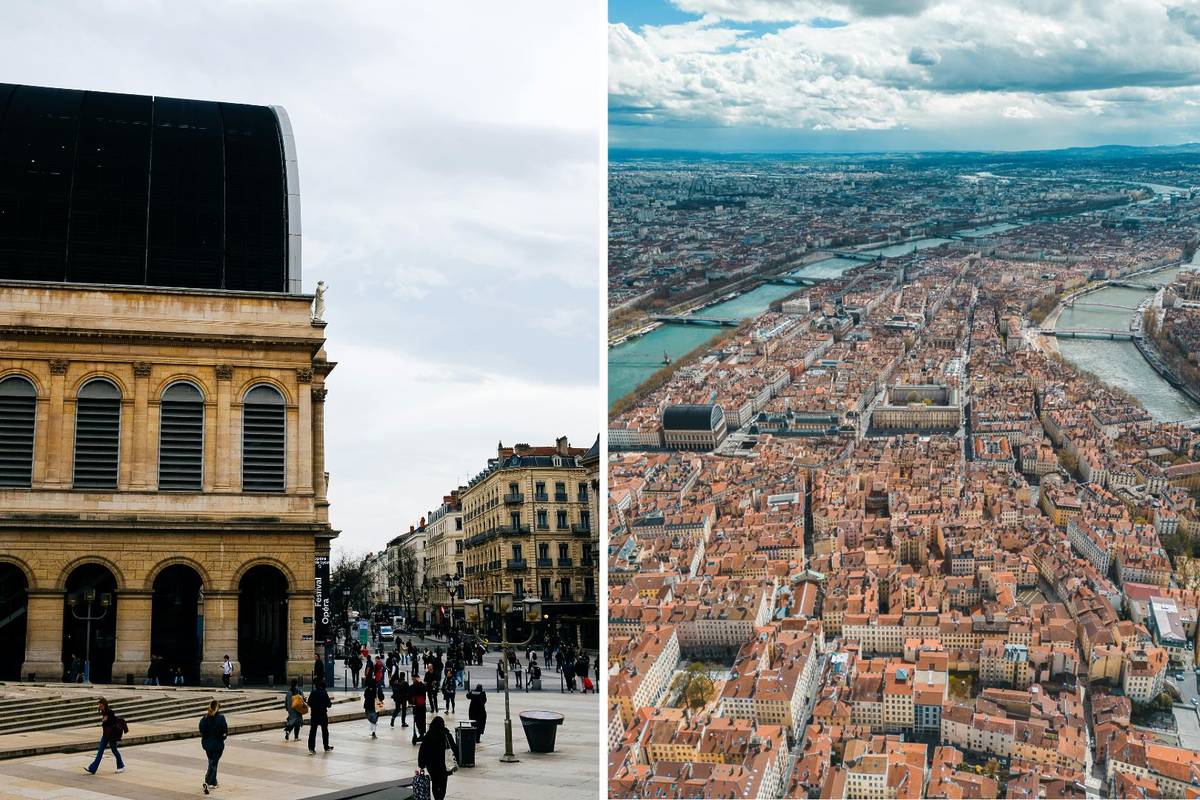
Lyon is a diverse city, as INSEE has just proved once again in its latest study. As you stroll through the streets of Lyon, you’ll hear Spanish, Arabic and English, but you’ll also detect accents from Savoy, Marseille and Toulouse… In short, a beautiful mosaic that seems to have never been truer than it is today.
According to INSEE, one in four Lyonnais was born in Lyon

Lyon has the second-lowest proportion of native-born residents in France (26% ), just ahead of Bordeaux (24%) and at the opposite end of the scale to Marseille, where one in two residents was born locally. In many ways, this confirms Lyon’s attractiveness, particularly for students and young professionals. Lyon has always attracted young adults, whose proportion is one of the highest in France. Lyon also has the highest population density in France, second only to Paris.
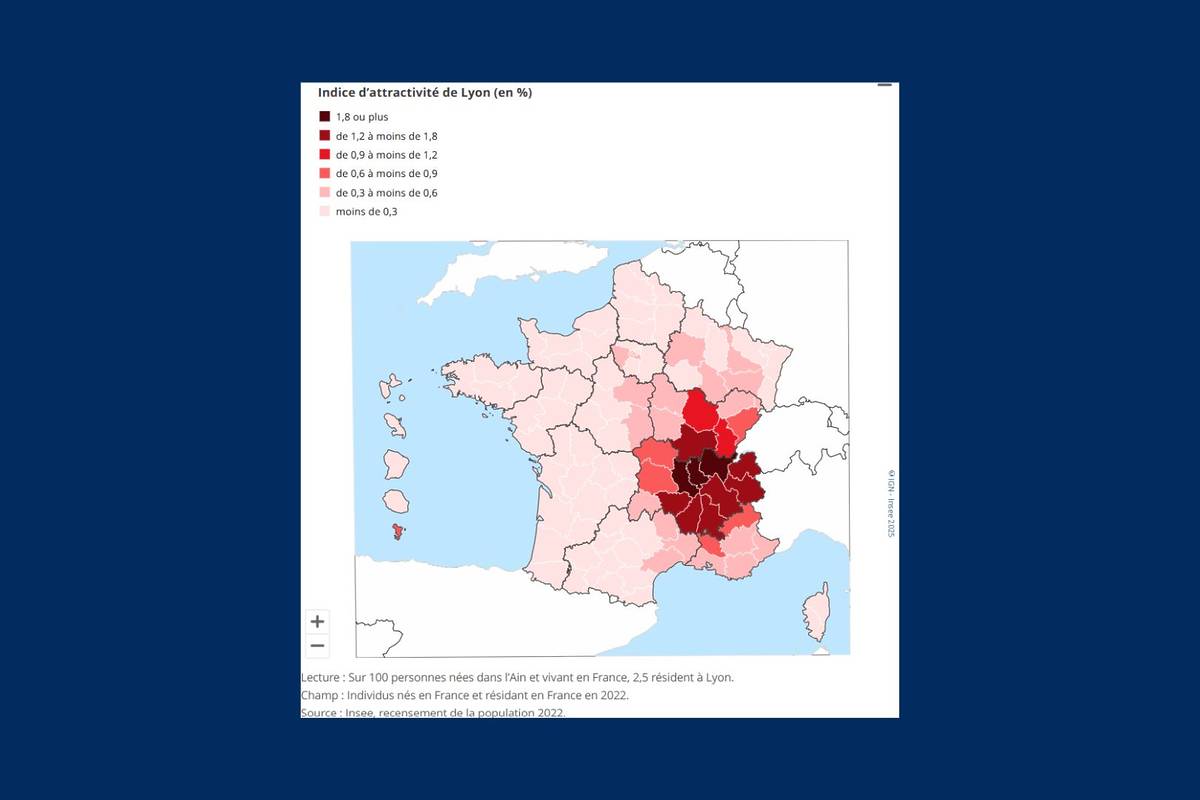
But if only 26% are “native” Lyonnais, where were the other inhabitants born? INSEE reveals that an almost identical proportion of residents were born in the Auvergne-Rhône-Alpes region (27%). A further 29% came from another region of France, and the remaining 18% were born in a foreign country. This series of figures makes one thing clear: Lyon acts like a magnet, attracting first and foremost people from neighboring départements and, to a lesser extent, from other regions of France and abroad.
A cosmopolitan city since the dawn of time
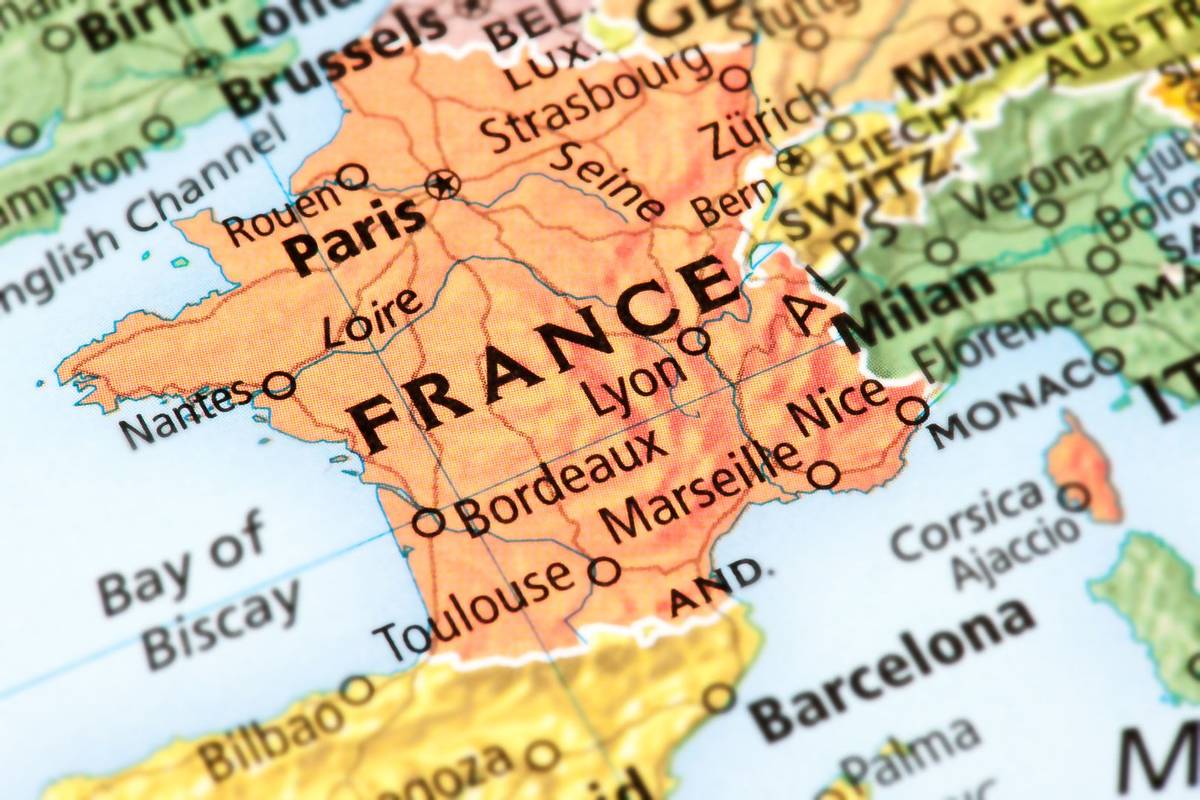
When you look at a map of France or Europe and put your finger on Lyon, your index finger is in the center. Lyon occupies a geographically strategic position. North of the Rhone corridor and Marseille, it also borders the Massif Central, the Alps and the Jura, as well as Burgundy. Its location, close to Italy, gave it the status of Capital of the Gauls during the Roman Empire. During the Renaissance, it even became the silk capital of the world, and continued this heyday with the textile industry until the early 20th century. Lyon has always been a trading city with a focus on Europe, and this extraordinarily rich history is at the root of the city’s formidable cultural diversity, which continues to this day.