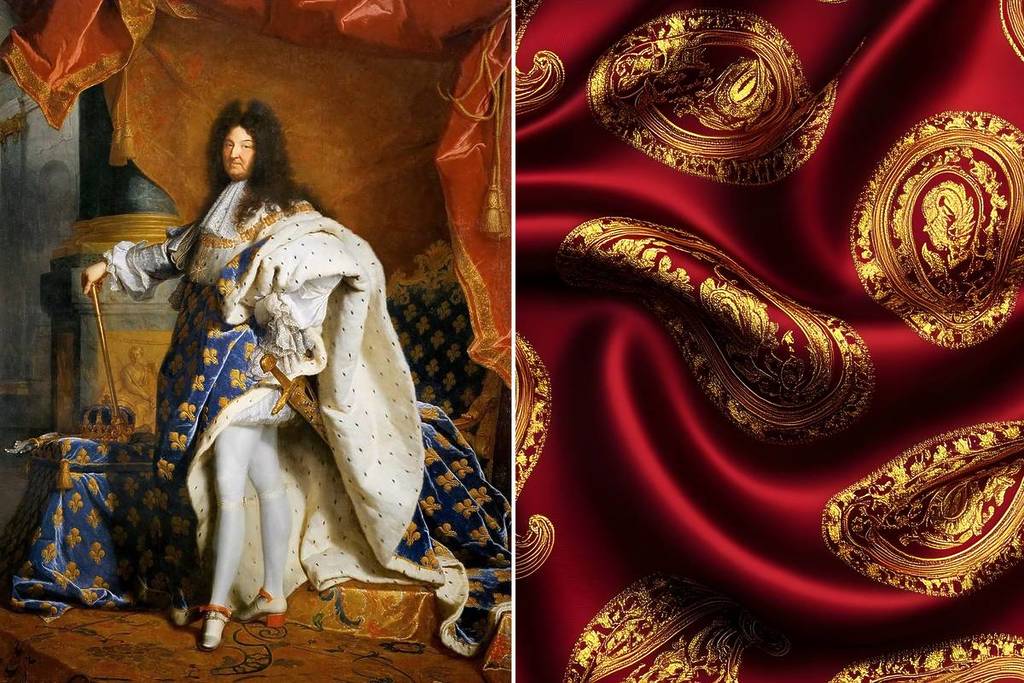
Let’s face it, when we think of Lyon, we immediately think of gastronomy. And no one can fault us for that. But if we go back a little further in history, our beloved city was in the spotlight for several centuries thanks to its precious know-how in weaving and silk. For if Lyon were to be a material, it would undoubtedly be silk. Even if silk wasn’t created from scratch here, its history is intimately linked to it.
Lyon and silk, so be it!
The use of silk goes back to the dawn of time, since it is thought to have been discovered and exploited in China in the 17th century BC…. Silk was first imported to the West in the 6th century, but it wasn’t until the 15th and 16th centuries, under François I, that Lyon became a major production center. Its proximity to Italy and the organization of some of the biggest fairs of the period such as Crémieux made Lyon the epicenter of silk. In 1540, Lyon obtained a monopoly on silk imports into France.
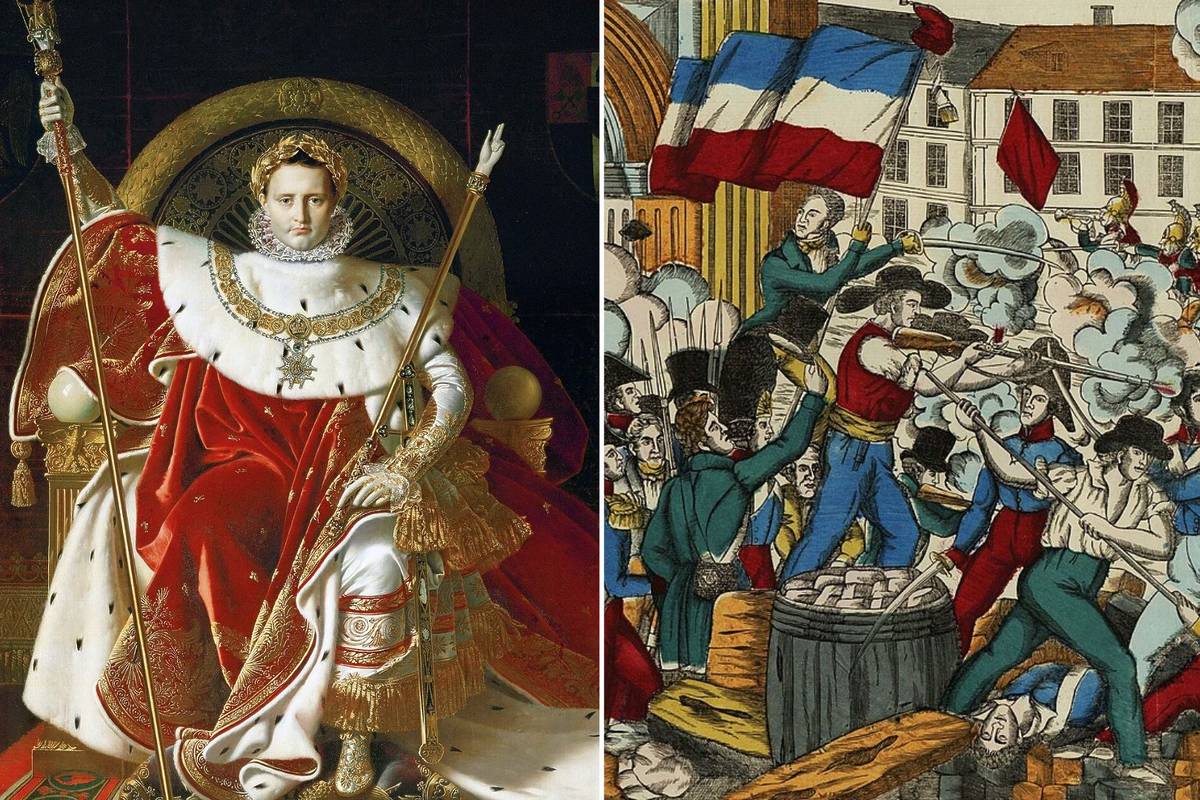
One thing led to another, and the industry became increasingly sophisticated. Unique pieces (satins, gold and silver sheets, velvets) were produced in Lyon’s workshops for kings and queens all over Europe. The 17th and 18th centuries were the era of the “Grande Fabrique “, which, under the impetus of Louis XIV and his reputation for lavish spending, gave Lyon an extraordinary dynamism. With almost 30,000 people working in the sector, it became a veritable industry. But the French Revolution of 1789, coupled with a series of disastrous weather conditions, brought the production system to a halt. Lyon suffocated and several riots broke out.
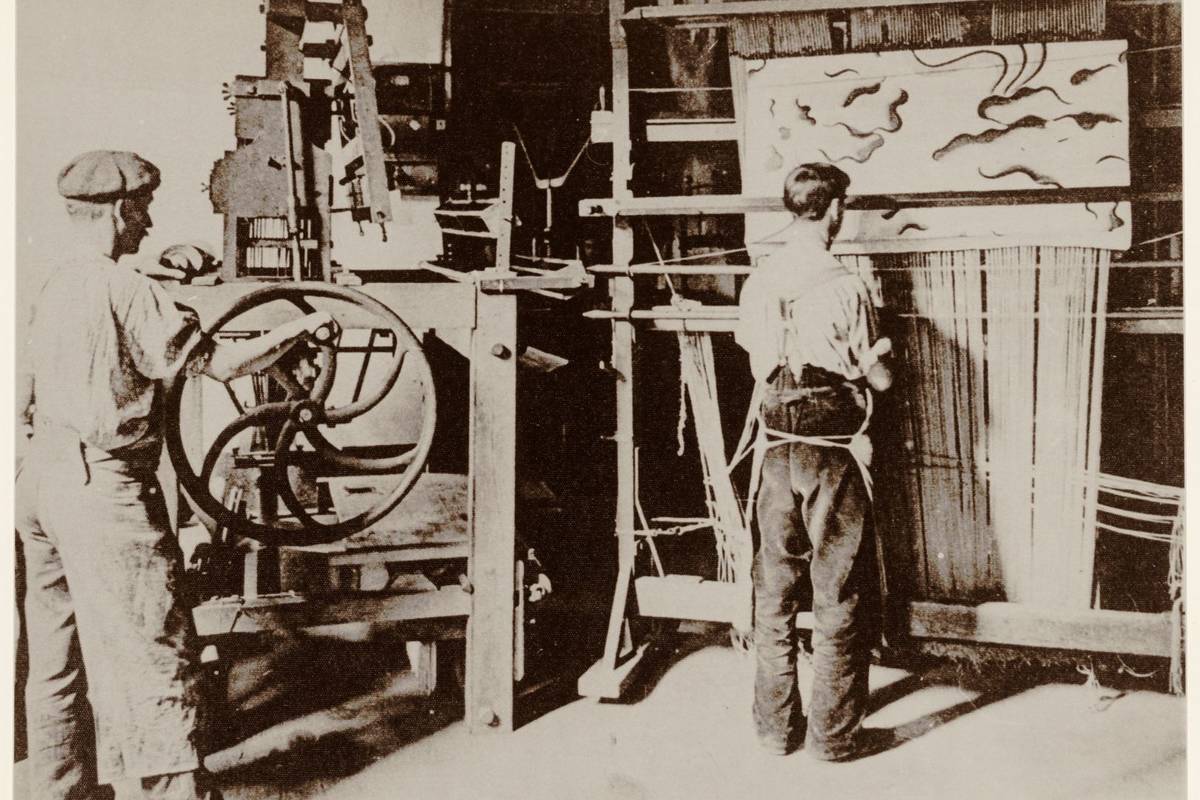
But Napoleon Bonaparte was determined to restore the reputation of French know-how. Silk was the emperor’s preserve, and he wanted to spread it to all the great courts of Europe. Weaving looms continued to be perfected during this period (the Jacquard loom was invented in 1801), schools were set up and new dyeing techniques gave Lyon “its golden century”. By 1868, silk accounted for more than ¾ of the local industry, with over 400 companies: a first for Lyon. Under the Second Empire, silk became France’s most powerful export industry, making Lyon the silk capital of the world.
What remains today?
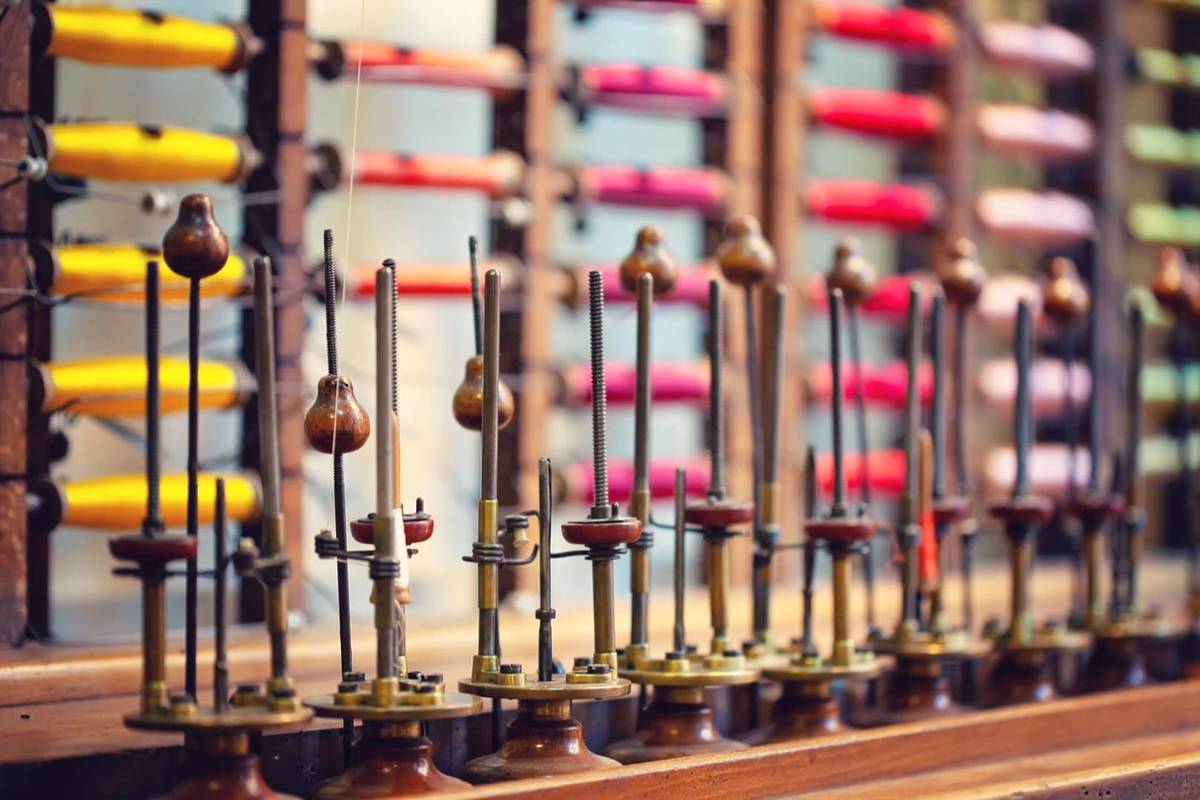
The Musée des Tissus de Lyon (temporarily closed for renovation) holds one of the world’s largest collections of textiles. The Maison des Canuts invites young and old alike to discover the great history of silk-making in Croix-Rousse. The silk industry continues to thrive in a number of locations, including Soierie Saint-Georges, Atelier de la Soierie and Soierie Vivante.
Even today, the history of silk is closely linked to the people of Lyon. The proof? The tradition of mâchon dates back to the days of the Canuts, a tradition that can still be relived in some of Lyon’s bouchons. But beyond the heritage that has endured over time, it’s pride that remains. The pride of knowing that our forefathers wove and crafted the world’s finest finery with their fingers.