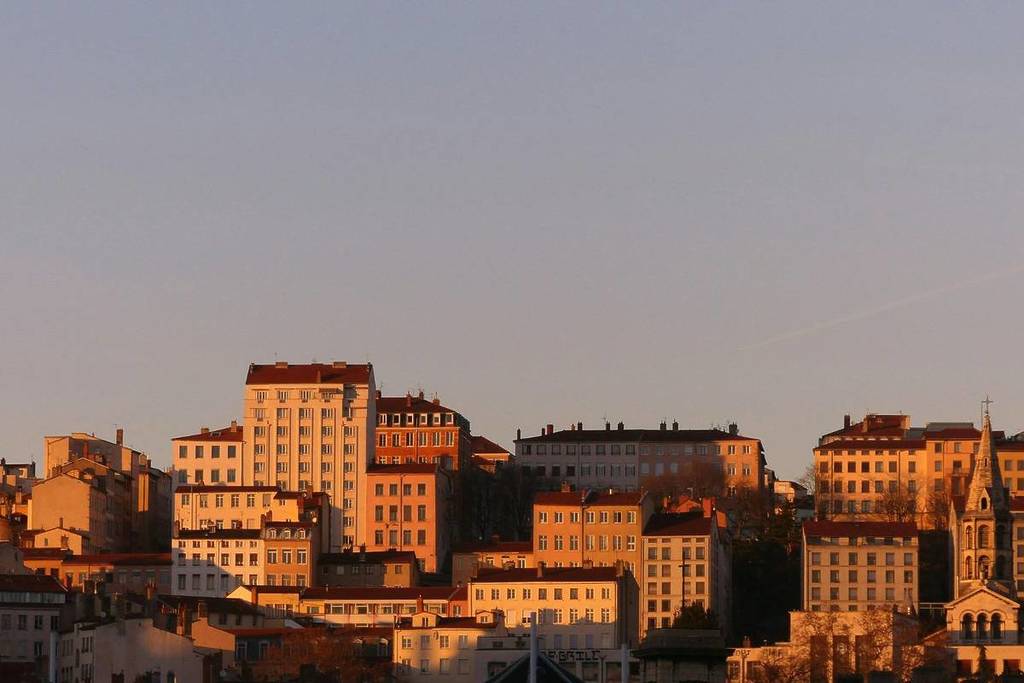
Let’s open the door right now: Lyon is one of the most beautiful cities in the world. There, I’ve said it. But what else? Understanding why our city has been unanimously nominated for UNESCO membership gives you butterflies in the stomach. So, read on and take a stroll around Lyon. Look up and I promise you won’t be disappointed.
Lyon, recognized as an “Outstanding Universal Value
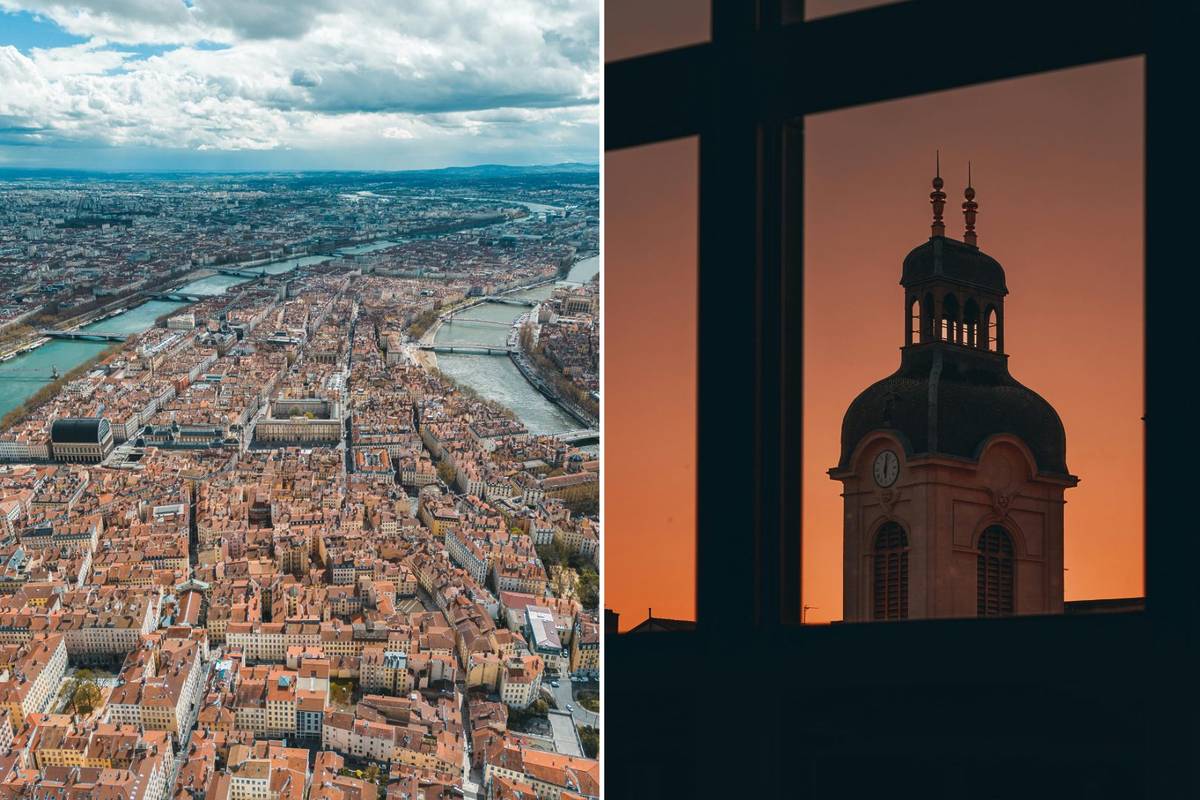
That’s all there is to it. Well, that’s a nice punchline to pull out for anyone who wasn’t already convinced.
Lyon has many strings to its bow, and UNESCO was quick to recognize this during its visit. In fact, it didn’t take long for the organization to register Lyon’s historic site as a World Heritage Site in 1998. While monuments such as the Great Wall of China, the Basilica of Vézelay or the Statue of Liberty are scattered all over the world, cities in their entirety (or almost), such as Lyon, are not so numerous.
What’s clear when you get right down to it is that the capital of Gaul is renowned not only for its architecture and history, but also and above all for what flows from it: its heritage. Like all cities, you may say, but UNESCO emphasizes its disproportionate aspect. Lyon is not only a city that breathes its heritage, it radiates it. For over 2,000 years, it has played a key role in culture, economics, politics and religion, on a par with Venice, Paris and London.
One figure among many: “174 historic monuments in the classification area, three-quarters of which – a remarkable proportion – are civil buildings bearing witness to the architectural quality of the habitat.” It’s signed by Raymond Barre, then mayor of Lyon, in the preamble to his UNESCO application.
But still, but still? (yes, we want more!)
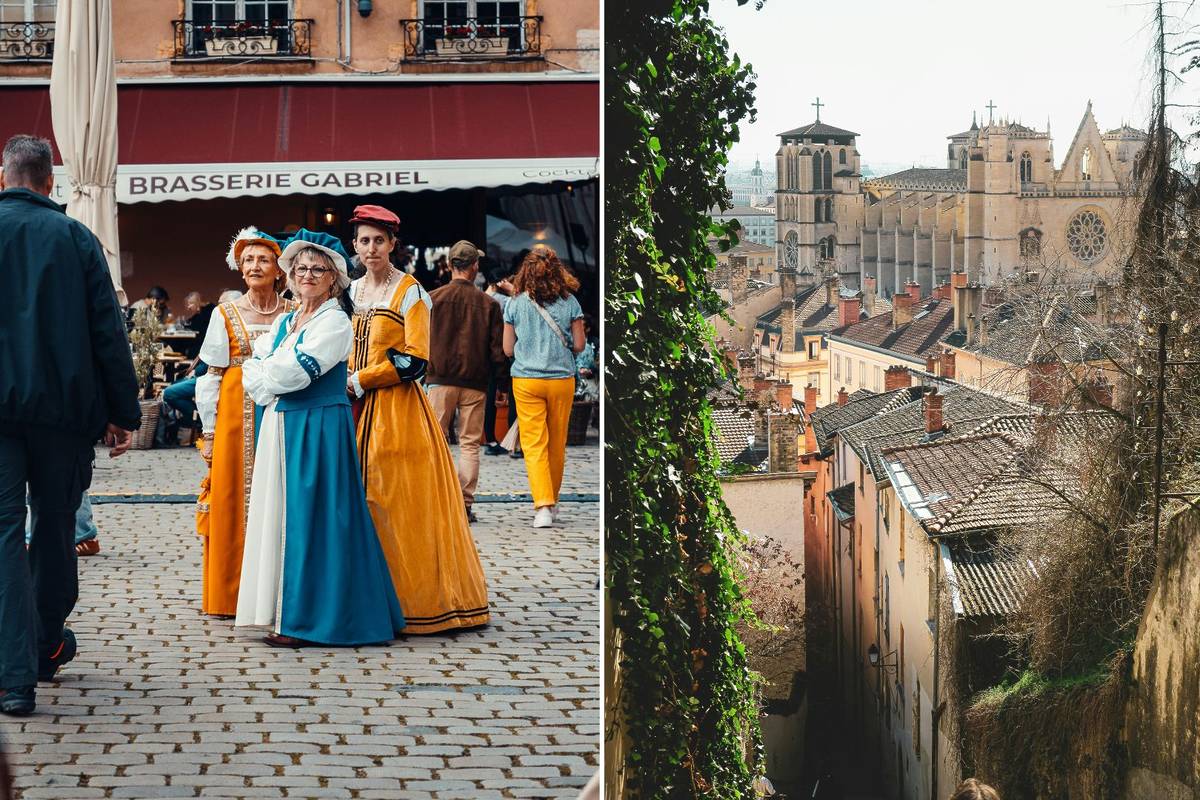
According to UNESCO, what makes Lyon so special is that it has been able to expand gradually without damaging the original remains. Unlike most cities, which have destroyed their core areas in order to rebuild, Lyon has cleverly maintained this architectural thread without breaking it once in over 2,000 years. The ancient theater, Île Barbe, Saint-Jean-Baptiste cathedral, Hôtel de Ville and even the Crayon: all these buildings bear witness to the continuity and extension of our urban settlement over more than two millennia…
And even if this is not clearly stated in the UNESCO report, to add one more layer (and one more), Lyon’s wealth lies above all in its people, past and present. We invented gastronomy, animal medicine and even cinema, and this momentum continues to this day. This is what will keep the hearts of the Lyonnais beating in this joie de vivre for the next 2,000 years!