
In this hot weather, there are two options: go for a swim or head for the hills. The great thing about Lyon is that you’re spoiled for choice. Between the expanses of the Monts du Lyonnais and the wide-open spaces of the Beaujolais, the Rhône has no reason to be outdone by its neighbors in Isère or Ain. Yet another—and by no means the least—proof of this: the department’s highest peak, from Lyon, is an ideal getaway to test your mettle at the highest point of this landmass encircling the capital of Gaul: Mont Saint-Rigaud!
Mont Saint-Rigaud, the roof of the Rhône
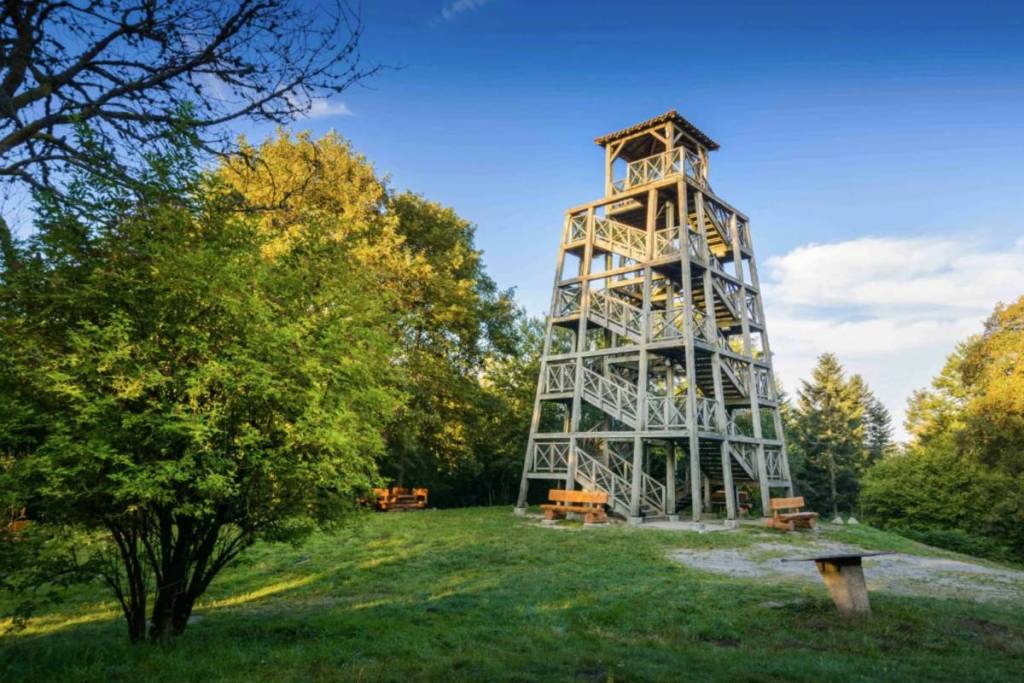
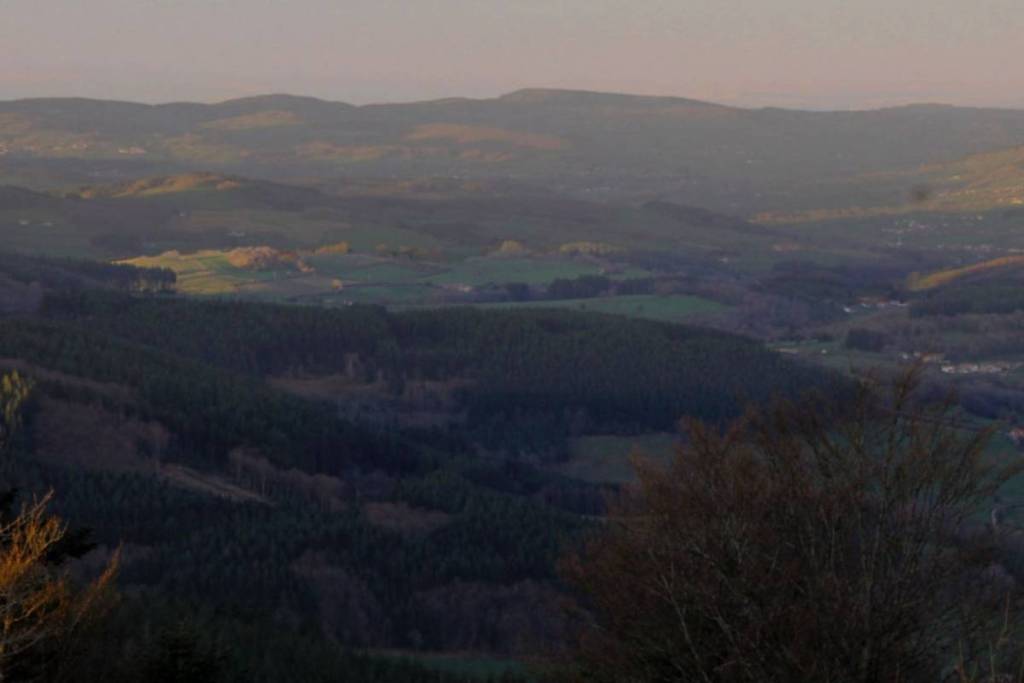
Here, then, is the department’s highest point. Thanks to its observation tower, standing over 15 meters tall, you reach the symbolic 1,000-meter mark, arriving at exactly 1,012 meters. This kilometer above sea level offers you one of the most beautiful panoramas in the area. It’s simple: nothing is higher than you at that moment. Whether it’s the hills of Beaujolais or Lyon, the peaks of the Alps, the foothills of the Jura or the Massif Central, nothing escapes your view!
Rest assured, you don’t need to break out your climbing harness and carabiners to get there. Several parking lots, including one just a few hundred meters from the summit, provide easy access and even allow you to make the ascent by mountain bike. For adventurers, 1,001 hiking trails let you explore the surrounding area, including a 15-kilometer loop around the summit. The trails can be viewed directly at the Maison de la Randonnée et du Trail at Col de Crie (Deux-Grosnes).
A towering mountain with a long history
Since time immemorial, mountains have fascinated mankind, and Mont Saint-Rigaud is no exception. We learn that in ancient times, a Roman temple dedicated to Jupiter stood here, and then in the 7th century, a chapel under the jurisdiction of Cluny Abbey was built there. Unfortunately, the chapel was abandoned in the 19th century, and today, no traces of it remain.
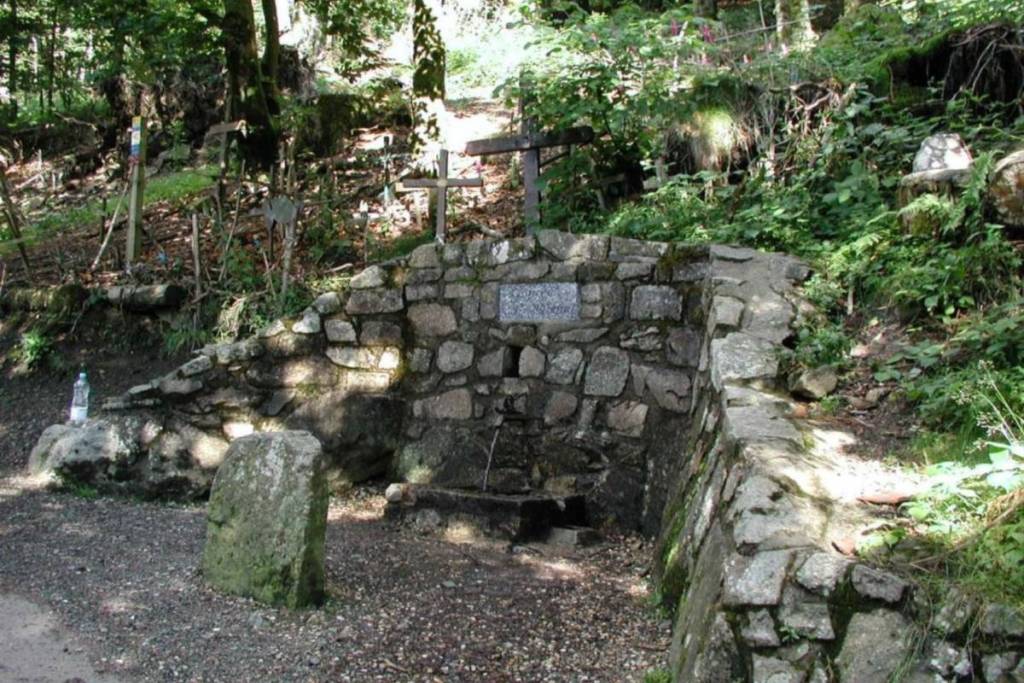
However, the magic remains! Be sure to stop by the sacred fountain, said to have healing properties, particularly for rheumatism. There, you can see numerous wooden crosses left by pilgrims—perhaps to bring them luck so they won’t suffer too much from blisters on their way to Compostela. For from here, the road is still long, but undoubtedly even more beautiful!