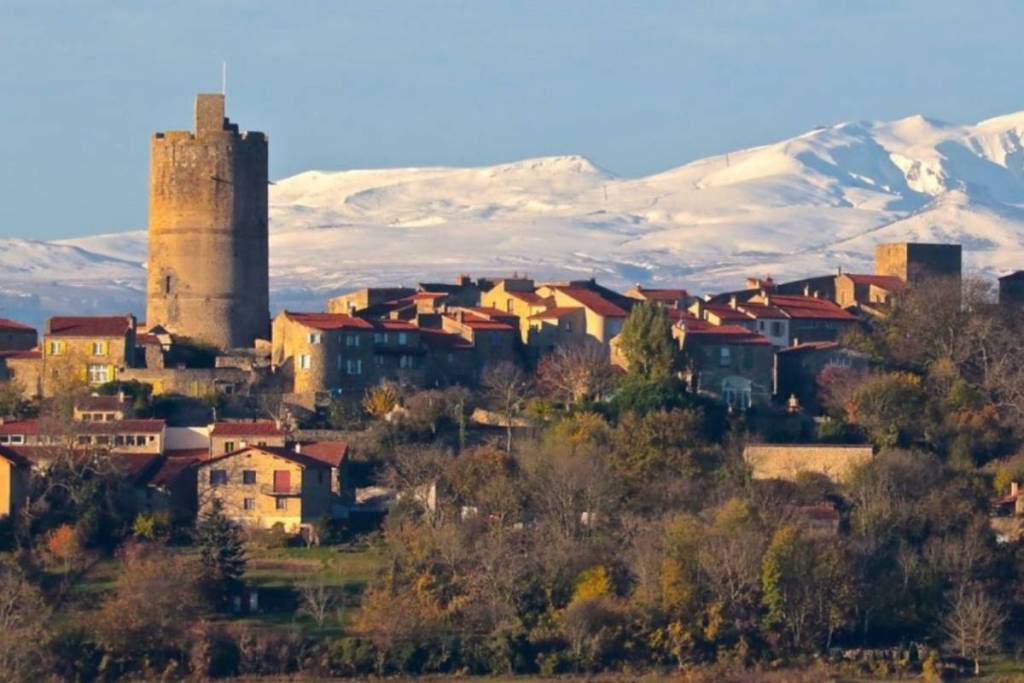

Not that it’s completely unknown, but this small medieval town doesn’t have the same reputation in Lyon as a village like Pérouges or a small town like Cluny or Charolles. And yet, when you take a closer look at its credentials, the picture is promising. Its location, first and foremost, but also its architecture, of course, and its heritage… Let’s head to Montpeyroux!
Montpeyroux, one of the “most beautiful villages in France ”
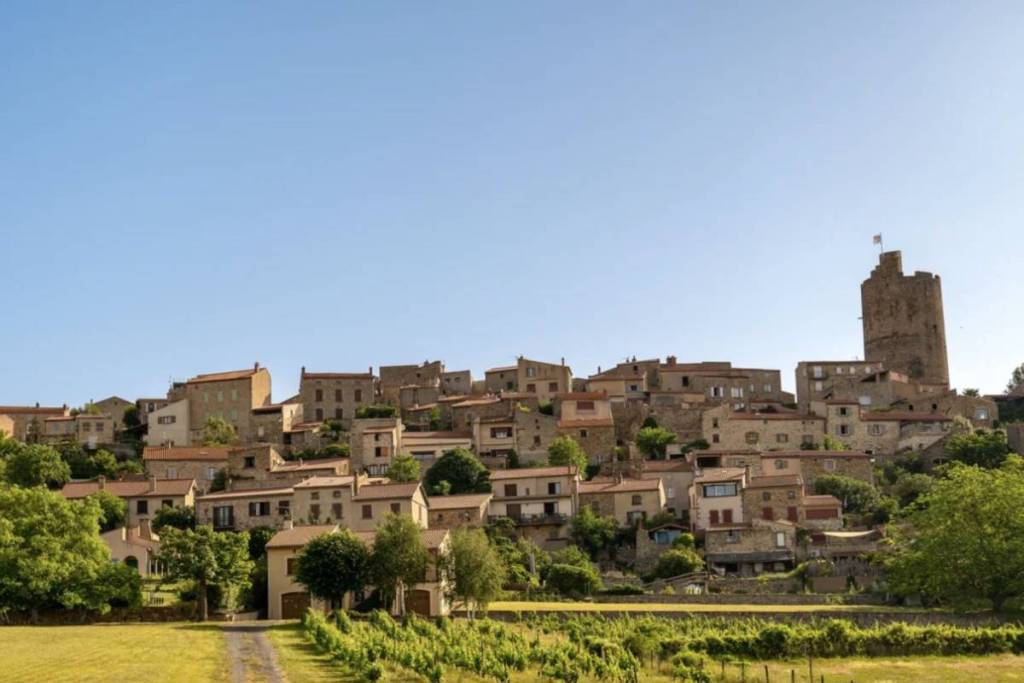
Just like Polignac, Châteauneuf-en-Auxois, and Château-Chalon, Montpeyroux stands out above all for its strategic location as a former stronghold in the Middle Ages. Perched on high ground (though the village does not exceed 500 meters in elevation), this promontory overlooks the Allier Valley.
Its keep, dating from the 13th century, is the highest point. From up there, the view of the Chaîne des Puys and the Sancy massif is breathtaking. The 360° panorama is truly unmissable. If you’d like to stretch your legs, an easy 2-hour walk for the whole family lets you explore the surroundings without missing a single view of the Allier Valley and Chadieu Castle. Feel free to visitthe Montpeyroux Tourist Office directlyfor more information. (Allée du 19 mars 1962, Montpeyroux, tel: 04 73 89 15 90)
A rich heritage emerging from the earth… between vineyards and stone
Less well-known than the Côtes du Rhône or the Burgundy region,the Côtes d’Auvergne AOC has been producing excellent wine since the Middle Ages, with Montpeyroux as one of its leading examples. This volcanic soil of Auvergne, the largest of its kind in France, offers a truly unique terroir. The vines, primarily Gamay, draw from a soil that blends basalt, clay, granite, and volcanic ash, creating an explosive cocktail of flavors found in every bottle!
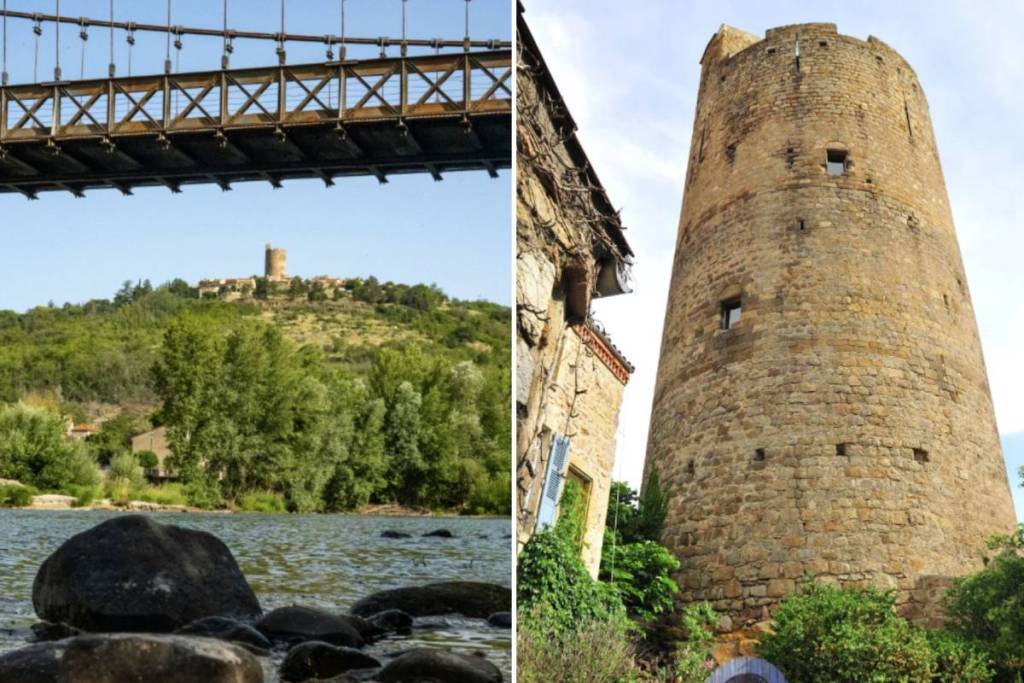
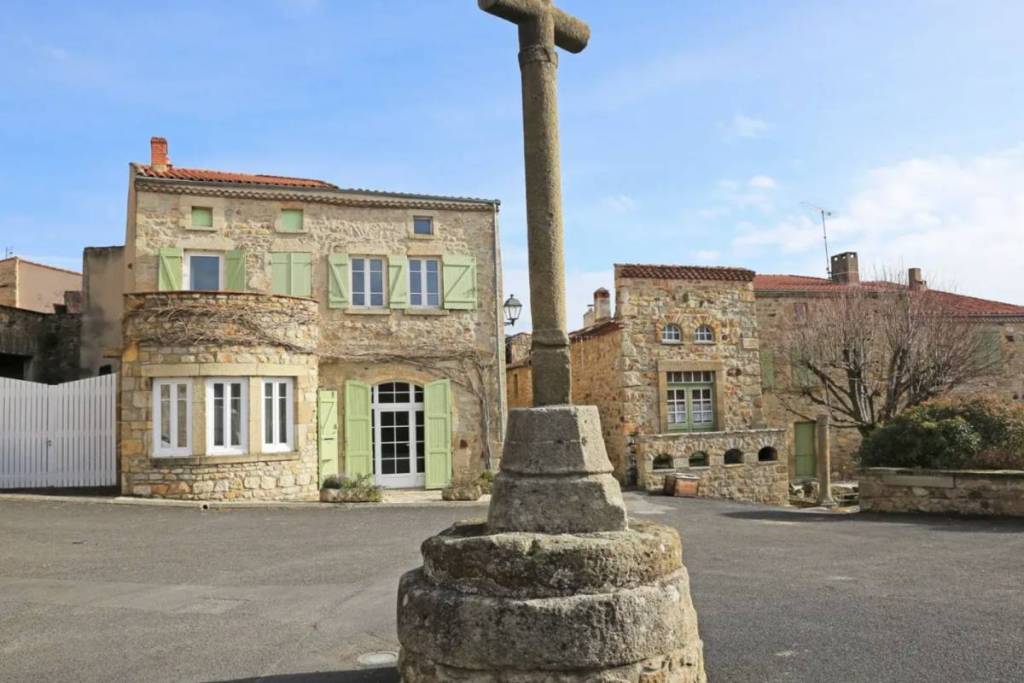
Montpeyroux is the capital of arkose, that distinctive ochre stone of the Auvergne that adorns many local homes, as well as the region’s most beautiful churches. Its name, incidentally, is derived from “mons petrosus,” which literally means “stony mountain.” In the past, the local economy revolved exclusively around the operation of its quarries, and although those days are long gone, the village’s harmony is particularly striking thanks to its use of this stone.