
With this heat, it’s important to stay hydrated. But let’s not forget to quench our thirst in another way as well. For while drinking water is essential, so too is immersing ourselves in our local heritage. Just outside Lyon, and much to our delight, beautiful sights abound everywhere. From the beautiful town of Trévoux to the charm of Tournus Abbey, via the vineyards of Beaujeu or the village of Sainte-Croix-en-Jarez in the foothills of the Pilat… our region is steeped in treasures. Another gem—and by no means the least—is the beautiful town of Saint-Chef in the Dauphiné.
Saint-Chef, a “Cité de Caractère” on the outskirts of Lyon
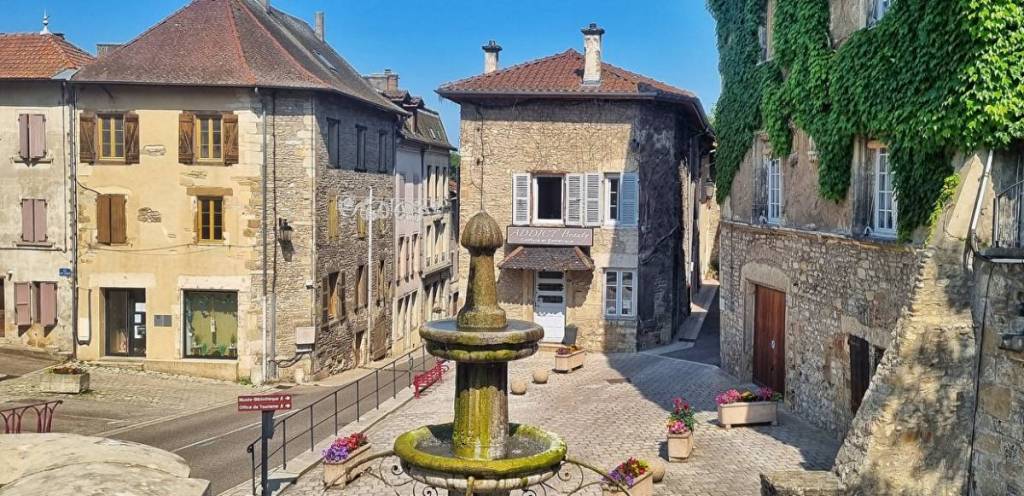
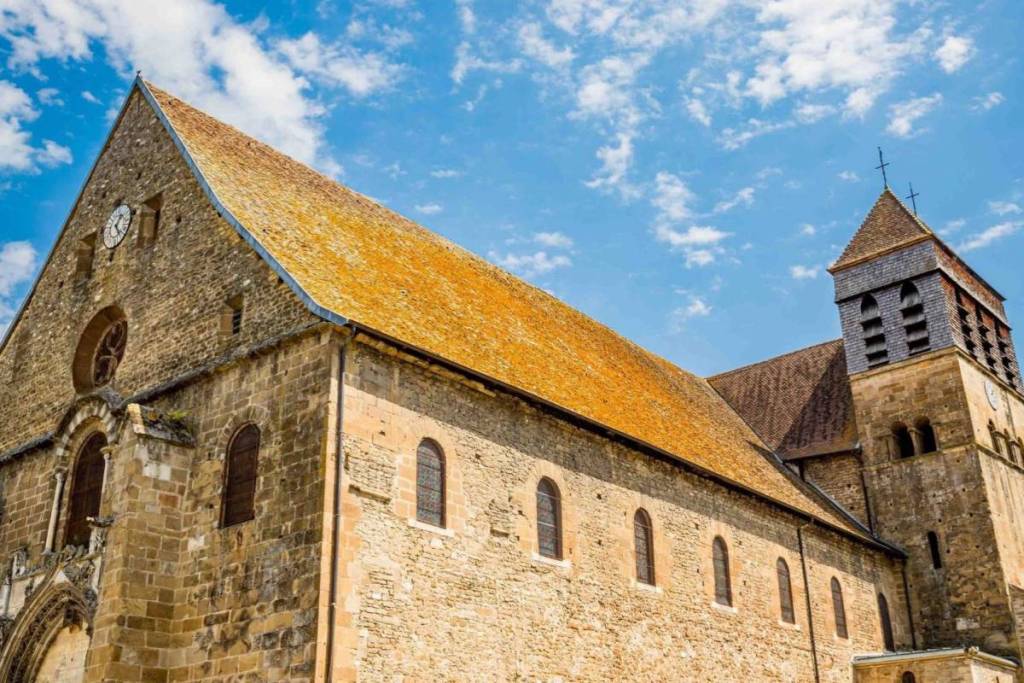
The village of Saint-Chef is intimately linked to the history of its abbey. Nestled a few kilometers from Bourgoin-Jallieu, the village has long been situated in its valley. The abbey’s foundations are believed to date back to the 9th century, following the arrival of Benedictine monks who came to rebuild a monastery that had previously been plundered. From that point on, the abbey and its surroundings quickly experienced a period of rapid growth, with the construction of the village and several castles throughout the Middle Ages. Today, you can visit the Château Teyssier de Savy, where you’ll discover yet another treasure of the local heritage.
For while Saint-Chef is primarily known for its thousand-year-old abbey, it is nonetheless a village designated as a “Cité de Caractère” (Town of Character), with its peaceful and remarkably well-preserved historic center. Frédéric Dard, an iconic figure of the city of Lyon (even though he was born in Jallieu), spent a good part of his life here and even chose to be buried here. He rests in peace at the Saint-Chef cemetery, not far from the famous abbey church….
Romanesque frescoes unique in France
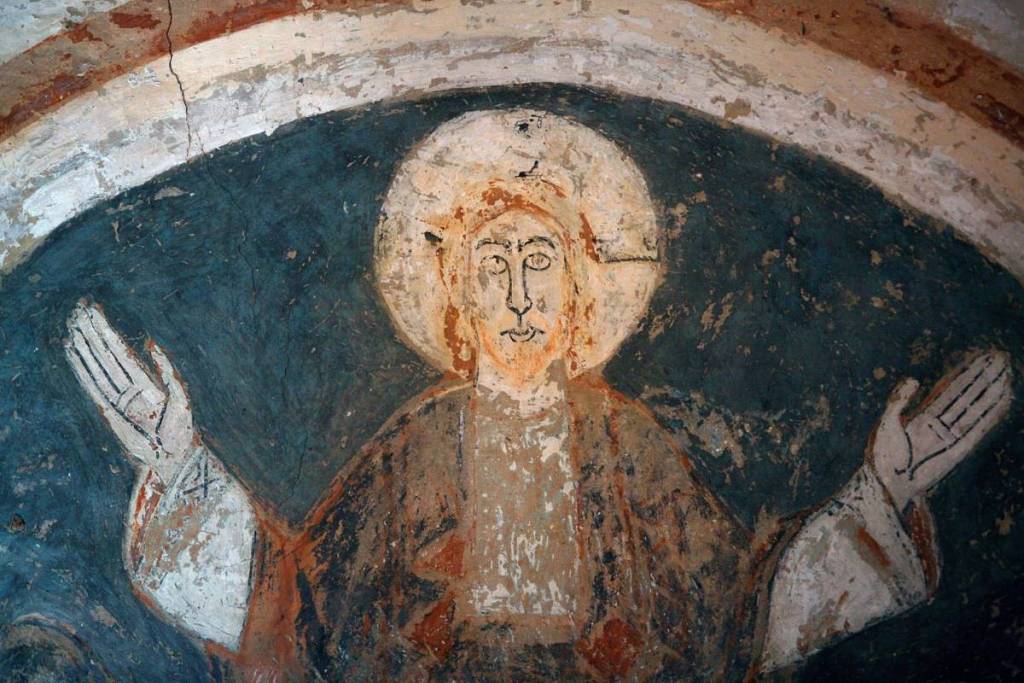
The treasure of Saint-Chef lies on the walls of its church. These magnificent 11th-century frescoes are a true masterpiece, the preservation of which is unique in France. They feature a series of paintings depicting angels and scenes from the Apocalypse. A historical document and a unique testament to the past, they were even faithfully reproduced to be exhibited at the Cité de l’Architecture et du Patrimoine in Paris.
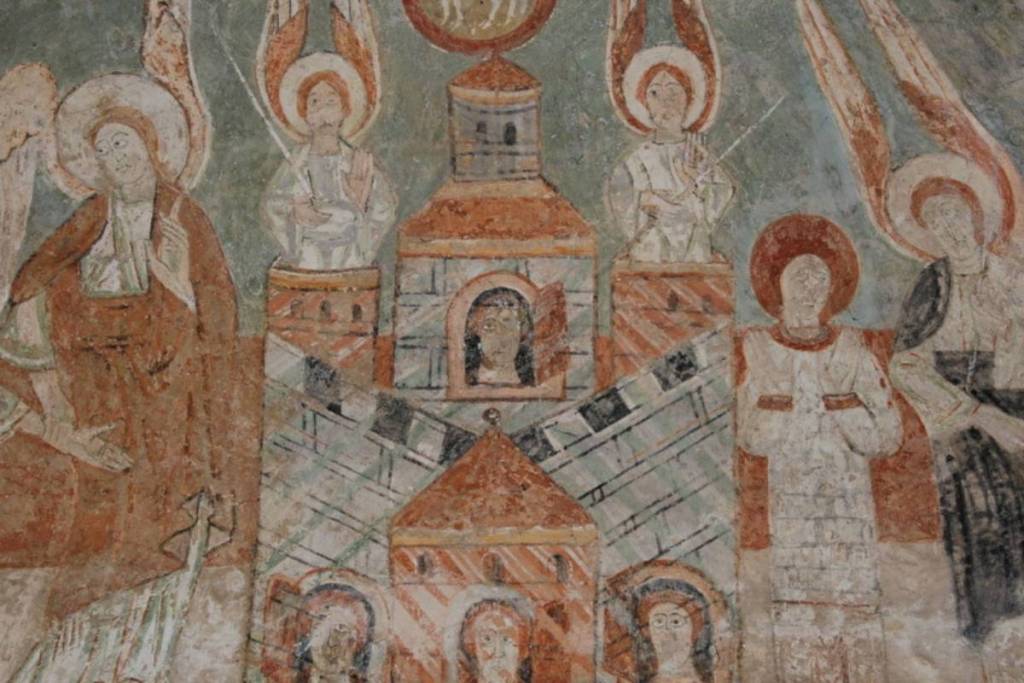
The proportions of the church and this array of ornamentation—unique for a town like Saint-Chef—reveal the influence this area held during the Middle Ages. We learn that, in its golden age, the abbey exerted its influence over a dozen priories and some one hundred parishes in the surrounding area. It’s no coincidence that the Benedictine abbey was selected for inclusion on the first list of historic monuments, just like the Church of Saint-Nizier in Lyon or the Abbey of Ambierle…let the stories begin!